
Selling Gold Coins in Charlottesville: Bullion vs. Numismatic Value
Every gold coin is worth at least its gold — but some are worth far more, and confusing the two is the costliest mistake a seller can make. A common modern coin like a one-ounce American Gold Eagle is essentially a bullion coin, priced off its metal content. A scarce pre-1933 U.S. gold coin or a key date in high grade carries numismatic value, a collector premium that can run hundreds or thousands of dollars above its melt. A buyer who doesn't know the difference will pay you bullion money for a collector coin.
Rivanna Precious Metals is a dedicated gold coin buyer serving Charlottesville and Central Virginia by private appointment at 1020 Carrington Place. We check every coin for date, mintmark, condition, and rarity before quoting a number, so bullion gets priced as bullion and collector coins get the premium they deserve — all in one sitting.
Quick Answer
- Bullion value = the coin's gold content at spot; numismatic value = a collector premium above melt.
- Common Eagles, Krugerrands, Maple Leafs, and Philharmonics trade at a modest premium over spot.
- Pre-1933 U.S. gold and key dates can be worth multiples of melt — never sell them as scrap.
- Date, mintmark, grade, and original surfaces drive numismatic value — so don't clean coins.
- We evaluate a single coin or a full collection, piece by piece, with an itemized offer.
We don't treat all gold coins the same. Bullion is priced off spot. Key dates, varieties, and slabbed coins are evaluated for numismatic premium. You get the benefit of both approaches in one appointment.
What Are the Most Common Gold Coins, and How Much Gold Is in Them?
Most gold coins people bring us fall into a handful of well-known bullion products, and a key detail trips up a lot of sellers: "one ounce" refers to the pure gold content, not always the coin's total weight. Some coins are 24K fine; others are alloyed for durability and therefore weigh a bit more than an ounce while still containing exactly one ounce of gold.
- American Gold Eagle — 22K (.9167) and alloyed with copper and silver, so a 1 oz Eagle holds a full ounce of gold but weighs slightly more overall. The most widely traded U.S. bullion coin.
- South African Krugerrand — also 22K; the original modern bullion coin, with one ounce of gold in a durable alloy.
- Canadian Gold Maple Leaf — .9999 fine, almost pure gold with no added alloy; soft, so handle gently.
- Austrian Gold Philharmonic — .9999 fine, Europe's leading bullion coin, denominated in euros.
- American Gold Buffalo — the U.S. Mint's .9999 fine 24K coin.
Because these coins are recognized worldwide and easy to resell, they trade at a small premium over melt — a 1 oz Eagle typically brings a bit more than a generic 1 oz bar. The deeper mechanics of converting spot price into a per-gram or per-coin figure are the same ones explained on our Charlottesville gold dealer guide.
Pre-1933 U.S. Gold and Why It Can Beat Melt
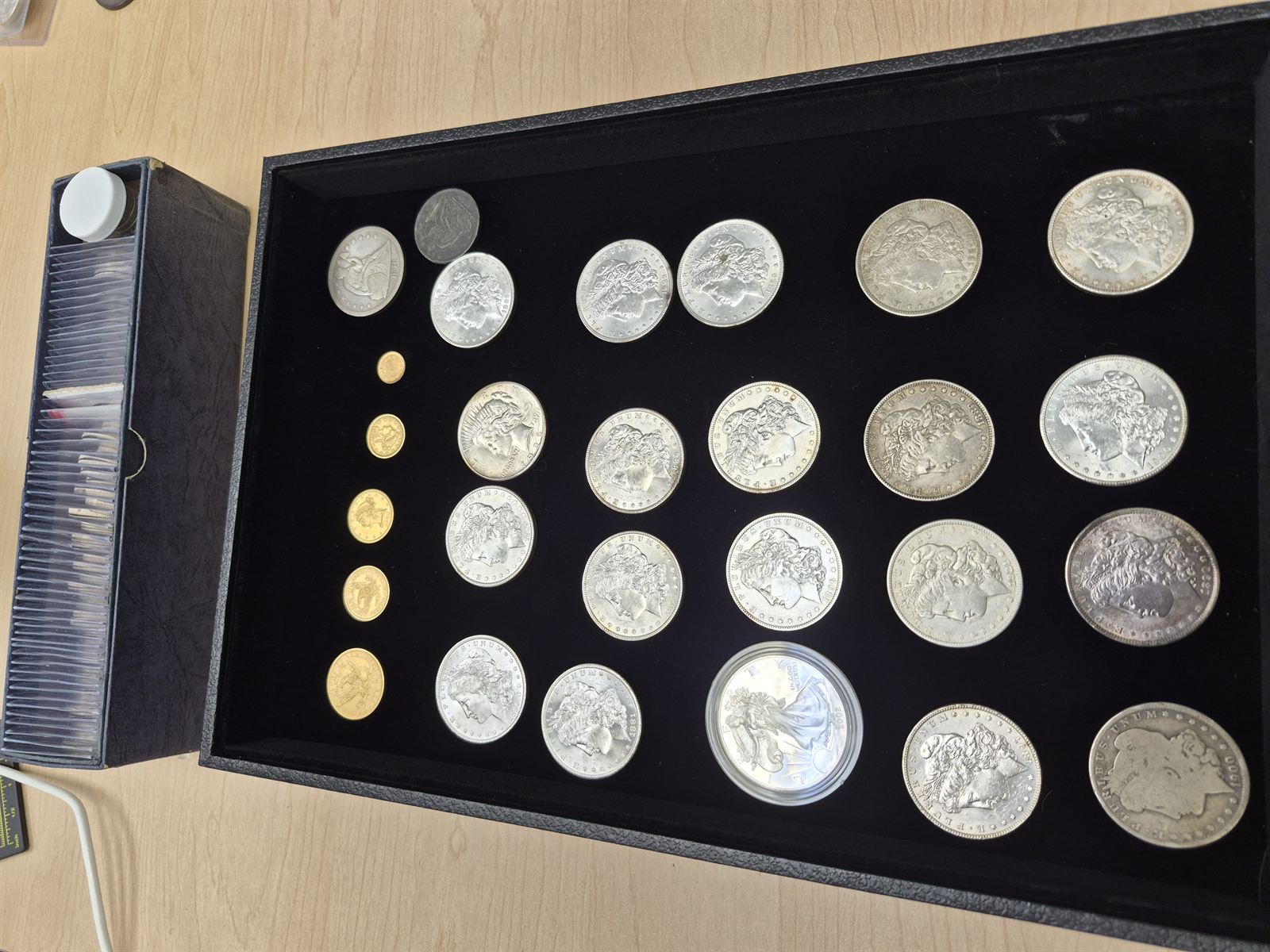
Before 1933, the United States struck circulating gold coins, and these are where numismatic value most often appears. A coin's date, mintmark, and surviving condition can push it well past its gold content — sometimes a little, sometimes dramatically. This is the category we're most careful with, because it's where uninformed sellers lose the most.
- $20 Saint-Gaudens Double Eagle (1907–1933) and $20 Liberty Head Double Eagle (1850–1907)
- $10 Indian Head and $10 Liberty Head Eagles
- $5 Half Eagles — Indian Head, Liberty, and earlier Capped Bust types
- $2.50 Quarter Eagles and $1 gold coins
How Does Grading and Condition Affect a Gold Coin's Value?
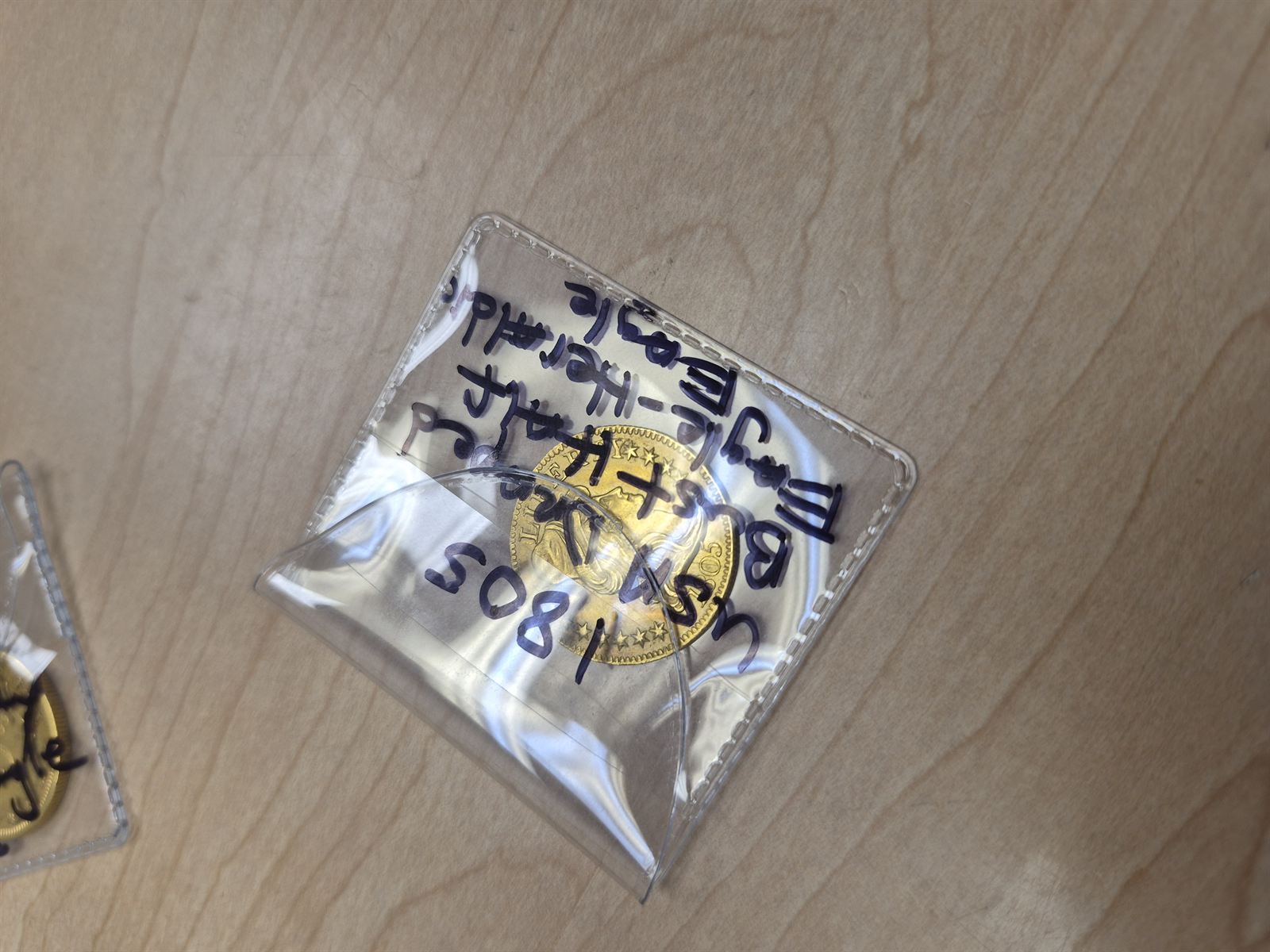
For collector coins, condition is graded on the 70-point Sheldon scale, running from heavily worn (e.g. Good-4) up to flawless Mint State (MS-70). The higher the grade, the more original detail and surface remain, and for a scarce date the price difference between grades can be enormous. Professional services like PCGS and NGC grade and seal coins in tamper-evident "slabs," which the market trusts; ANACS and ICG also certify coins.
Two practical takeaways follow from this. First, never clean a coin — cleaning leaves tell-tale hairlines and strips the original surface, often slashing value and instantly visible to any experienced buyer. Second, raw (ungraded) coins still get a fair look; we evaluate each on its own merits and tell you when a coin is worth submitting for professional grading rather than selling as-is. If you'd just like an opinion of value first, our private appraisal service is available with no obligation.
Other Gold Coins We Buy
World & historical gold
- British Sovereigns and Half Sovereigns; British Britannias
- Swiss 20 Francs, French 20 Francs, German 20 Marks and other European gold
- Mexican Libertads, Centenarios, and Pesos; Chinese Pandas; Australian Kangaroo/Nugget and Lunar series
- Latin American, Asian, and Middle Eastern gold coinage
Graded & slabbed coins
- PCGS and NGC certified coins — we check grade and population data before pricing
- ANACS and ICG certified coins
- Raw coins — each evaluated individually for both bullion and collector value
How Gold Coin Pricing Works
Two pricing approaches apply, and we use whichever yields you more on each coin:
Bullion-Priced Coins
Common-date modern bullion (most Eagles, Krugerrands, Maple Leafs) is priced from live spot, weight, and the typical wholesale premium for that specific product. Recognition matters: a widely traded Eagle resells more easily than an obscure piece, so it earns a slightly better premium.
Numismatic-Priced Coins
Pre-1933 U.S. gold, key dates, varieties, and high-grade slabbed coins trade above melt. For these we weigh the coin's grade, current collector demand, and published dealer buy/sell data, and we explain the premium we're paying and why.
Inherited Gold Coin Collections in Central Virginia
A large share of the gold coins we buy come from inherited collections — a father, grandfather, or uncle who accumulated pieces over decades. These often mix common bullion, overlooked key-date rarities, and a few non-gold strays. We walk through every coin with you, flag anything deserving numismatic pricing, and hand you an itemized list of offers. For bigger estates, contact us ahead of time so we can block off uninterrupted time, and see our estate jewelry and coin buying service for mixed lots.
Service Area
Our Charlottesville gold coin buying office is easily reached from:
- Albemarle County — Crozet, Ivy, Keswick, Earlysville, Pantops, North Garden
- Greene, Madison, Fluvanna, Louisa, Nelson, Orange, Buckingham, and Culpeper counties
- Waynesboro, Staunton, and Augusta County in the Shenandoah Valley
- Lake Monticello, Palmyra, Gordonsville, and Ruckersville
Ready to Sell Gold Coins in Charlottesville?
Bring a single coin or an entire collection — we'll evaluate everything piece by piece.